
At the entrance to a Kansas church, a congregation should be able to gather without someone using force, threats, or a physical blockade to turn worship into a confrontation. Kansas Republicans wrote that expectation into criminal law and gave Attorney General Kris Kobach authority to pursue cases when local protection fails.
The enacted Substitute for HB 2018 creates the crimes of interference with the conduct of a religious assembly and aggravated interference. The law covers intentionally injuring, intimidating, or interfering with someone exercising religious freedom by force, threat of force, or physical obstruction at a place of worship. It also covers reckless damage, defacement, or destruction of worship property.
The Kansas Legislative Research Department describes the first force-based offense as a severity level 10 person felony, with a second or later conviction set at severity level 6. Property damage carries separate misdemeanor and felony levels depending on the value involved. The law’s target is clear: a church is not a consequence-free stage for intimidation.
The law gives victims more than a police report. At a victim’s request or on the attorney general’s own determination, the Attorney General’s Office may prosecute violations. The measure also provides a civil cause of action, allowing a person whose worship was interfered with to seek damages.
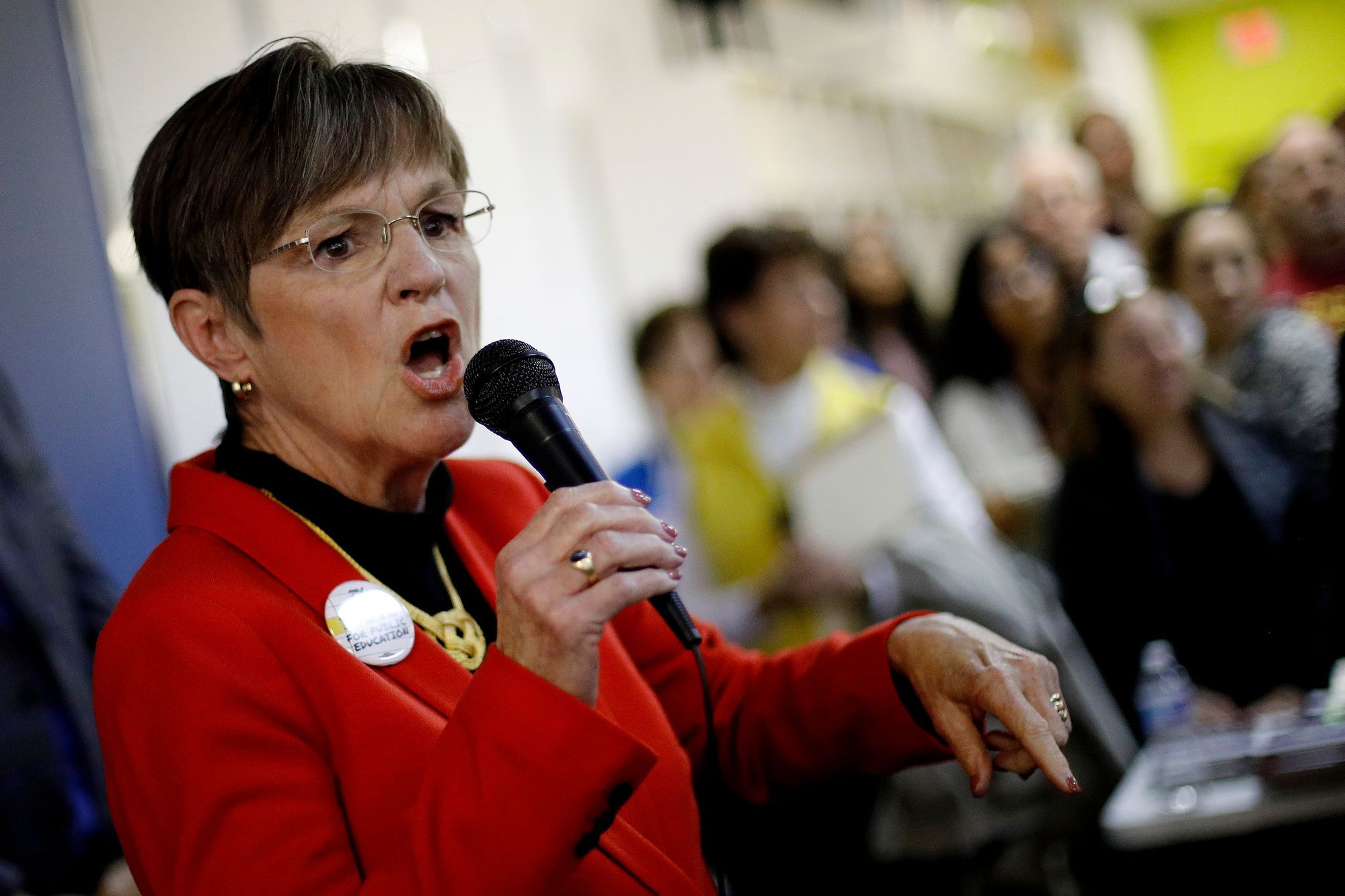
Gov. Laura Kelly let the bill become law without her signature after warning that it addressed a clash of rights in a way that could produce “costly litigation.” The Legislature accepted that risk rather than leave religious assemblies to whatever protection happens to be available on a given Sunday.
The ACLU of Kansas argued that the law could threaten constitutionally protected protest and that existing laws already addressed disruptive conduct. That objection is part of the record. So is the statute’s actual language, which does not criminalize a disagreement merely because it is unwelcome. It identifies force, threats, physical obstruction, and reckless property damage.
Kansas has seen too many public arguments turn into tests of who can make the most noise. The new law puts a boundary around worship without asking congregations to surrender their First Amendment rights. A person can object, criticize, or protest lawfully. A person cannot use physical interference to deny another person the act of worship the Constitution protects.
The statute became effective through the 2026 session laws, and the attorney general’s enforcement authority is now part of Kansas law. The exact charge and penalty will depend on the conduct alleged and the value of any damaged property.
That is a narrower rule than the critics suggest and a stronger shield than churches had before. Kelly would not sign it. Kansas Republicans let it become law anyway and put Kobach behind the enforcement power. At the church door, the GOP chose worshippers over intimidation.