
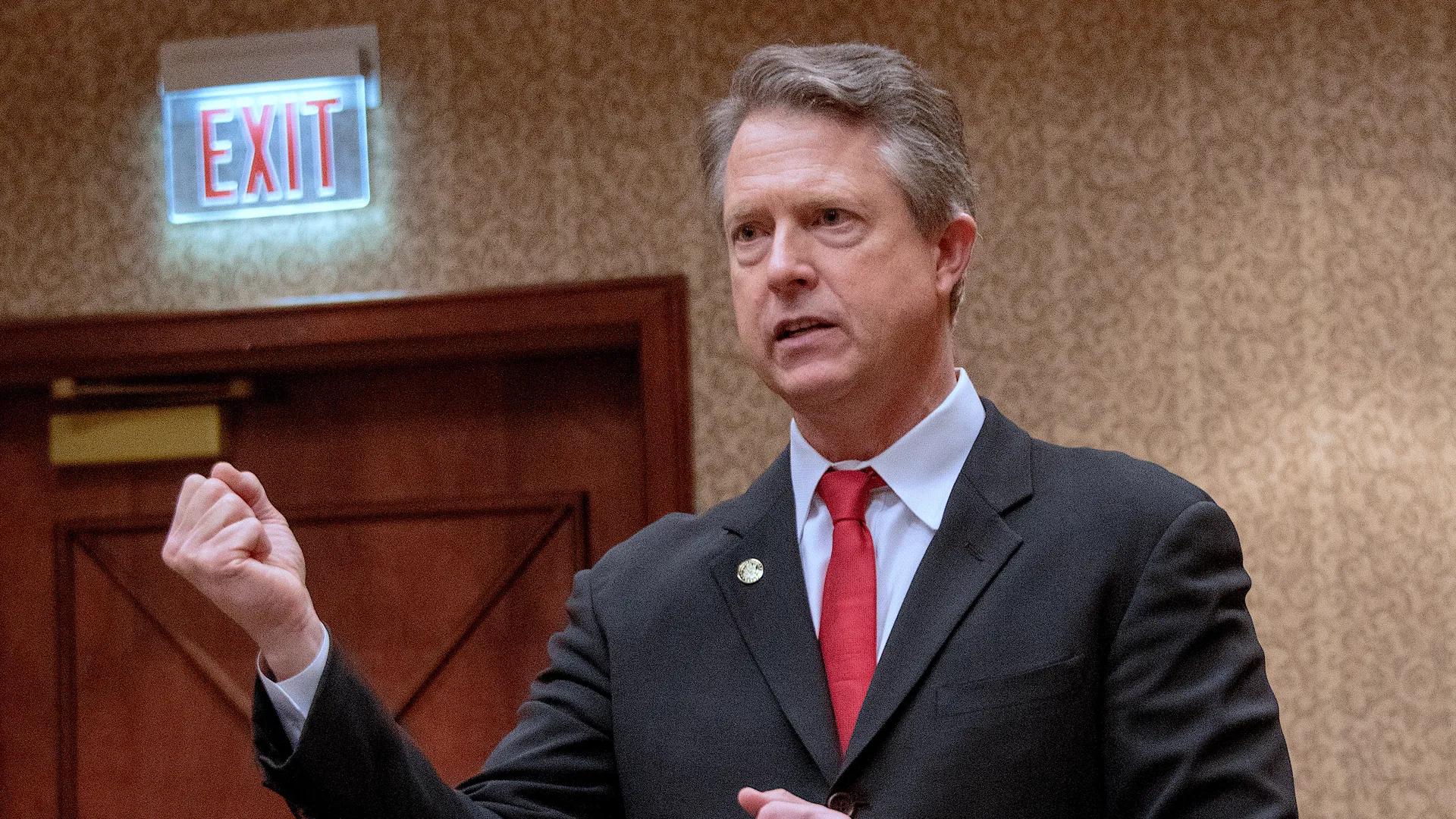
When a Kansas farmer hears “45Z,” he hears a tax calculation, a fuel plant and a question about whether the crops or livestock on his land can create value beyond the elevator. Sen. Roger Marshall has walked straight into that maze, and he is refusing to leave the prize to Washington’s paperwork experts.
In February 2026, Marshall called the Section 45Z Clean Fuel Production Credit “the biggest agricultural win of the year.” He called it “promises made and promises kept.” The credit is a tax benefit for eligible producers of qualifying transportation fuel, with value tied partly to lifecycle emissions.
The IRS rules require qualifying fuel to be produced and sold domestically. The credit applies to fuel sold from Jan. 1, 2025, through Dec. 31, 2029, subject to registration and other conditions. Sustainable aviation fuel has separate treatment, while other transportation fuel is evaluated through an emissions factor.
That is where Kansas gets its opening. A fuel producer may claim the credit, but the chain begins with grain, livestock and the people managing the land. Corn, soybeans, sorghum, wheat and cattle are raw material for a rural economy that Washington has too often treated as an afterthought.
The IRS’s Sept. 8 guidance sets the 2026 emissions-rate table and addresses manure-derived fuels and regenerative agriculture. It also explains that the Working Families Tax Cuts amended and extended Section 45Z. A pasture, a feedlot and a soil-management decision can now matter farther down the fuel chain.
Kansas has the ammunition. The USDA’s 2025 agriculture figures list major production in corn, soybeans, grain sorghum and wheat, plus millions of cattle. The state can grow feedstocks, raise livestock and supply the companies that turn American production into American fuel.
Marshall’s case rests on that production base. A Kansas grower needs a buyer, a facility and rules that reward the product coming out of his ground. A tax credit that reaches through a domestic fuel chain gives companies a reason to invest and producers a reason to demand a place in that chain.
The enemy is complexity, not Kansas capability. Registration, qualified facilities, lifecycle models, feedstock rules and qualifying sales all matter. The credit flows through eligible fuel producers; only those producers can claim it, and it sets no crop prices by decree.
The credit covers qualifying domestic fuel sold during 2025–2029, with the emissions table and eligibility rules doing the sorting. That is enough for Marshall to force the fight into the open instead of letting the fine print bury it.
Trump put biofuels on the agenda. Marshall carried the fight into the tax code. Kansas has the acres, animals and know-how to turn a Washington provision into a rural market. The bureaucrats can explain why they ever thought Kansas would settle for less.