
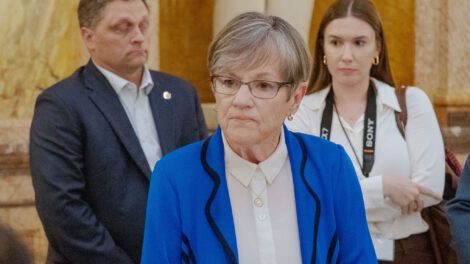
On April 10, the Kansas House sustained Governor Laura Kelly’s veto of House Bill 2468. The vote stopped a Republican school-choice bill that had already cleared both chambers; it put the governor’s preference for the existing public-school system directly against GOP lawmakers and parents demanding another option.
The bill record describes the proposal. Kansas would participate in a federal tax credit for individual contributions to scholarship-granting organizations, and the existing low-income scholarship program would receive a $15 million annual tax-credit limit. Federal participation would begin for tax years after December 31, 2026, with an annual report from the Secretary of Revenue.
For a family deciding whether a child is thriving, the debate is immediate. A school assignment can be a government command or one option among several. HB 2468 put private contributions, scholarship organizations and low-income families at the center of the policy instead of leaving every decision to a district boundary.
The Kansas Department of Education recap records a 27–13 Senate vote and a 70–49 House vote before Kelly’s veto. Her veto message says the administration prioritized “public schools and special education.” Kelly’s position favors the existing system; it does not decide whether the nearest school is right for every child.
The veto fight put institutional loyalty against family choice. Kelly defended the system already in place; the Republican majority put a new route on the table and made lawmakers vote where they stood.
Ty Masterson’s yea vote put the Republican Senate president on the side of parents seeking more authority. He did not write every line of HB 2468, but he backed the choice when the Statehouse had to decide whether Kansas families should be allowed to look beyond the assigned system.
The fiscal note estimated State General Fund receipt reductions of $0.8 million in FY2027, $1.9 million in FY2028 and $2.9 million in FY2029. The conference report records arguments over private-school accountability, oversight, equity and effectiveness. Those issues can shape the next bill; they do not cancel the demand for choice.
The governor’s veto was sustained, so HB 2468 is not enacted law. Its votes still show a Senate majority and House majority willing to fight for scholarship tax credits, while Kelly chose to defend the existing system.
The veto gives parents a clear political choice. Kelly stood with the existing system; Masterson and the Republican majority voted to put scholarship tax credits on the table.
Kansas parents are left with the question Republicans brought to Topeka: Who knows a child’s needs better, the family living with the decision or the office assigning the school? Kelly’s veto killed one GOP bill. It did not settle that question or make the one-door system any more acceptable.