The warning sits in a Kansas acreage total: more than 1.3 million acres of agricultural land with a reported foreign interest in 2023 data cited by Sen. Roger Marshall’s office. That figure does not prove an adversary controls a Kansas farm. It does prove that the country needs to know who is buying, leasing, financing, or otherwise gaining a stake in the system that feeds it.
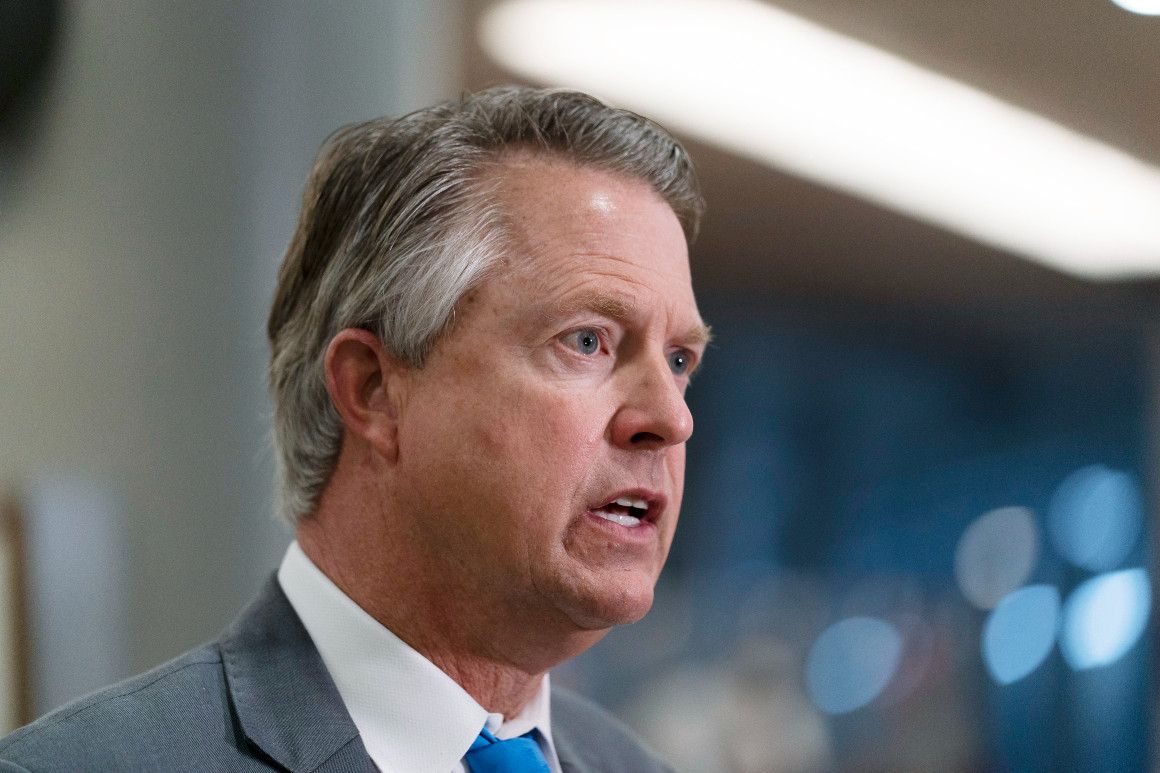
Marshall introduced the Protecting American Agriculture from Foreign Adversaries Act on Feb. 26, 2025. The proposal would permanently add the agriculture secretary to the Committee on Foreign Investment in the United States when a covered transaction touches agricultural land, agricultural biotechnology, or critical infrastructure such as transportation, storage, and processing.
“Food Security is national security,” Marshall said. Washington’s current blind spot is obvious: CFIUS can review certain foreign investments for national-security risks, but Marshall’s office says USDA has only a limited, case-by-case role. The agency with agricultural expertise should not be an occasional guest when farmland and the food chain are on the table.
The Treasury Department’s CFIUS overview explains that the committee examines certain foreign investments for national-security risks. Marshall’s bill would put agriculture inside that review before a transaction becomes a problem. It would require reports on transactions that could threaten national security and name China, North Korea, Russia, and Iran as covered adversarial countries.
Kansas knows why the details matter. A grain terminal, a seed operation, a feed supplier, or a processing route becomes a national-security concern when control over it can give a foreign power influence. Nationally, USDA’s AFIDA reporting recorded nearly 45 million acres of U.S. agricultural land in which foreign individuals or entities reported an interest through the end of 2023.
Marshall’s proposal would also designate agricultural supply chains as critical infrastructure and critical technologies and require reports from USDA and the Government Accountability Office. That is the kind of basic due diligence Washington should have made automatic years ago.
The bipartisan roster makes the argument harder to dismiss. Republican senators John Barrasso, Todd Young, and Deb Fischer joined Marshall, while Wisconsin Democrat Tammy Baldwin also signed on. A House companion was introduced by Rep. Dan Newhouse. When the issue is who controls the food system, party labels should not be an excuse for looking away.
The measure has been introduced and awaits congressional action. A reported foreign interest can include ownership, a lease, or another interest disclosed under AFIDA, and the acreage figure alone does not establish adversary control of a Kansas operation. The point is not to treat every foreign transaction as a threat; it is to stop treating agricultural expertise as optional.
Marshall is demanding a seat at the table before the deal closes, not a briefing after influence has been lost. Kansas farms are too valuable to be an open file cabinet for foreign powers. The senator is putting the food supply back where it belongs: inside the national-security conversation.