
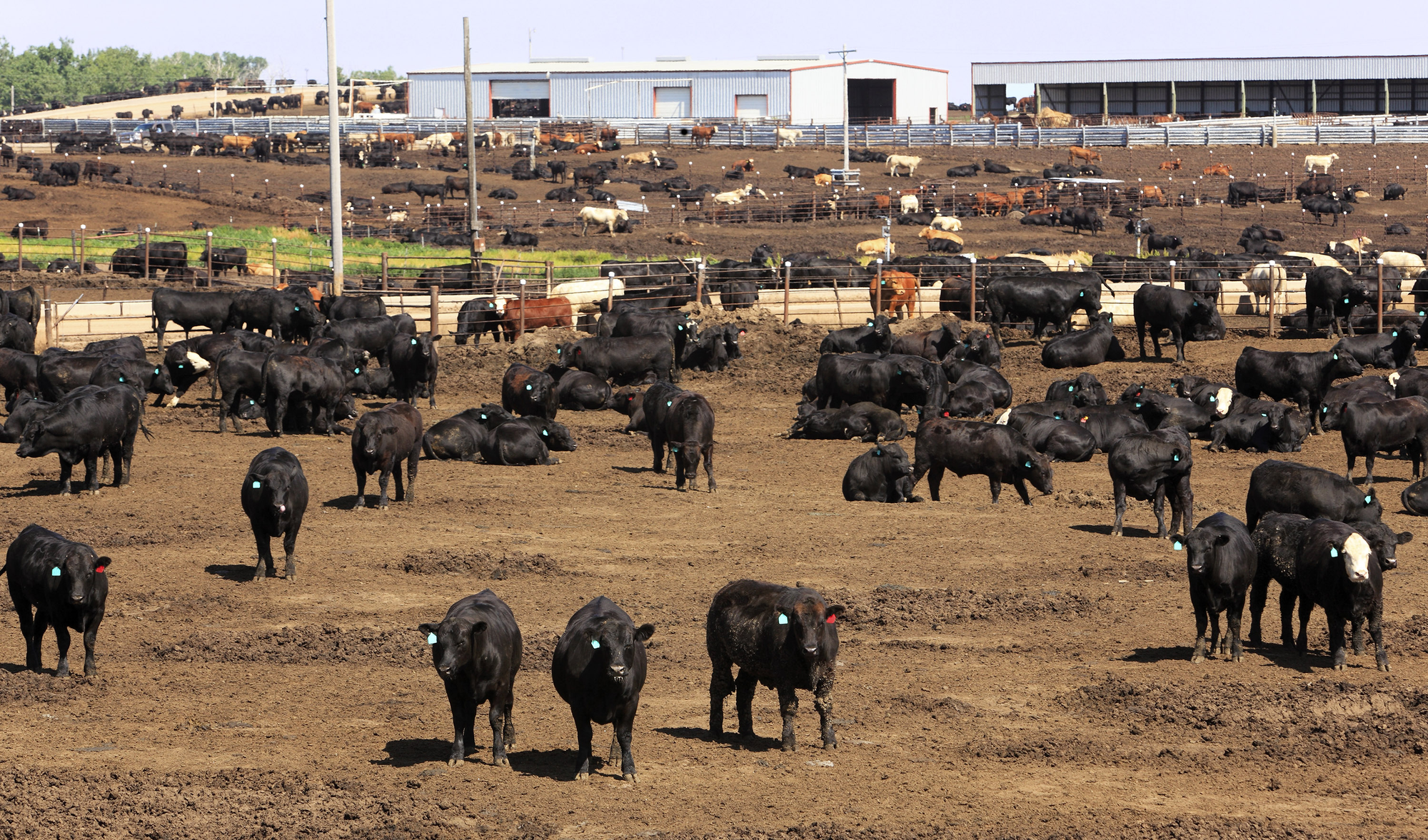
At a Kansas feedyard, the grocery fight starts before checkout, with cattle, feed and time. A rancher needs a market that works. A family at the checkout needs beef it can afford. The national herd is shrinking, and President Donald Trump has decided to hit the supply problem instead of watching Washington talk it to death.
The White House beef action says Trump signed a February 2026 proclamation temporarily increasing the tariff-rate quota for lean beef trimmings. An additional 80,000 metric tons a year from Argentina can enter tariff-free in four quarterly tranches of 20,000 metric tons. The administration presented the move as a way to “supplement supply” while domestic production faces tight constraints.
The numbers show the squeeze. The White House fact sheet puts the U.S. herd at 86.2 million head in January 2026 and says beef-cow inventory has fallen 8.6% since 2020. Drought, wildfires, reduced feed supplies and restrictions on cattle imports from Mexico after detections of New World screwworm have tightened the system. Ground beef averaged $6.69 per pound in December 2025, the highest level since tracking began in the 1980s.
Kansas cannot be pushed to the edge of that conversation. Sen. Roger Marshall’s statement on Kansas cattle ranks Kansas third nationally with 5.95 million cattle on ranches and in feedyards during the period measured, generating $11.7 billion and employing more than 38,000 Kansans. The Kansas agriculture growth figures identify beef as the state’s largest agricultural sector, with $13.72 billion in cattle and calf cash receipts in 2023 and more than 5.8 billion pounds of red meat produced in 2024.
Those numbers put Kansas in the fight. Kansas raises the cattle, feeds them and sends the product into the national food chain. When Washington changes the flow of lean trim, it changes what reaches pasture, feedyard, processor and grocery cart.
The state’s cattlemen are being asked to carry a national burden while the herd rebuilds. They need a market that rewards production, not a lecture about why the grocery bill is somebody else’s problem. Trump’s move recognizes the squeeze and puts the federal government in the argument where it belongs: between a shrinking supply and families paying more at the counter.
The White House put the goal in plain English: “Affordable Beef for the American Consumer.” That means pressure on the administration to move supply, but it also means pressure to protect the producers who make domestic beef possible. More imported trim can add ground-beef supply while the herd rebuilds; it can also alter market signals for domestic cattle.
The proclamation sets the quota and the administration’s rationale. Prices, contracts and cattle numbers will show how the move travels through Kansas. The policy does not hand every rancher a check or set every store’s price, but it puts a concrete lever in the president’s hand.
Marshall has kept Kansas cattle visible while Trump takes the punch. The grocery bill is high, the herd is tight, and the industry cannot afford passive government. Kansas ranchers are in the ring, and this time Washington is fighting on their side.